

Popular Products for Men: A Supplement Information Catalog
This page presents a curated informational catalog of popular natural supplement formats for men. We categorize these products by their primary ingredients and intended use, providing details on what they contain and how they are presented. This is an educational overview of men's vitamin supplements and natural capsules, designed to help you understand the market without marketing pressure.
Multivitamin Tablets for Daily Use
Multivitamin tablets are the most common starting point for men's daily supplementation. These products combine various vitamins and minerals into a single dose, typically taken once a day. We explain the standard ingredient profile of a men's multivitamin, which often includes higher amounts of B-vitamins, zinc, and sometimes vitamin D. This section helps you understand what a baseline daily supplement looks like.
Typical Form
A single coated tablet taken once daily, usually with a morning meal. Some formulations split the dose across two or three tablets to improve absorption of competing minerals.
Standard Profile
Often includes B-complex vitamins at higher percentages of daily reference values, zinc for general wellness support, vitamin D in amounts suited to indoor lifestyles, and trace minerals like selenium and copper in smaller quantities.
What to Check
Look at the percent daily value column. Ingredients listed at 100 percent or higher may exceed what most adults need from a supplement alone. Compare the zinc and B12 amounts across brands — these vary significantly.
Natural Capsules for Strength and Vitality
Botanical ExtractsThis category includes capsules containing herbal extracts aimed at supporting physical performance. Common ingredients include maca root, fenugreek, and ginseng. We provide an informational breakdown of these natural capsules for strength and vitality, detailing the typical ingredient lists and how manufacturers describe their intended use. This is factual product information for comparison.
Capsule formats allow manufacturers to combine powdered extracts in specific ratios. The label typically lists each ingredient by weight, though proprietary blends may group several botanicals under one combined weight without individual breakdowns. When comparing products, check whether the extract ratio is stated — for example, a 4:1 concentrate means four parts raw material were processed into one part extract.
Zinc and Magnesium Single-Ingredient Supplements
Single-ingredient supplements focus on one specific mineral. Zinc tablets are popular for general wellness support, while magnesium supplements are often used by active individuals. We explain why these single-ingredient products exist, what formats they come in, and how they differ from multivitamin blends. This helps you decide if a targeted supplement fits your needs better than a broad-spectrum product.
Zinc Tablets
Sold as zinc gluconate, zinc citrate, or zinc picolinate. The form affects how readily the mineral is absorbed. Zinc is commonly included in multivitamins at lower amounts; a standalone tablet delivers a higher single dose for those who want to focus on this one mineral without changing their broader supplement routine.
Magnesium Formats
Available as magnesium oxide, citrate, glycinate, or malate. Oxide is common in inexpensive tablets but has lower absorption. Citrate and glycinate are often chosen by people who want a gentler format. Active individuals often take magnesium in the evening as part of a recovery routine.
B-Complex Vitamin Supplements
B-complex supplements contain the full range of B-vitamins in a single tablet or capsule. They are marketed primarily for energy and endurance support. We detail the specific vitamins included in a B-complex, such as thiamine, riboflavin, and B12, and explain their general role in energy metabolism. This section provides the context needed to evaluate these popular products for men.



Food sources that naturally contain B-vitamins — supplements concentrate these into measured doses.
Protein Powders and Meal Replacements
While not vitamins, protein powders are a major category of healthy lifestyle products. Whey protein and plant-based protein blends are common formats. Meal replacement shakes, which include protein alongside vitamins and carbohydrates, also fall into this category. We describe the typical macronutrient profile of these products and how they fit into a daily nutrition routine, particularly for men with active lifestyles.
Whey protein is derived from milk and is rapidly absorbed, making it common in post-exercise routines. Plant-based blends combine sources like pea, rice, and hemp to provide a complete amino acid profile without dairy. Meal replacements add carbohydrates and fats to the protein base, creating a more balanced serving that can substitute for a meal when needed.
When comparing products, check the protein-per-serving ratio, the sweetener used, and whether the label lists third-party verification. The ingredient list order matters — protein should appear first, not flavorings or fillers.
Herbal Extract Blends
Multi-Botanical FormulasSome supplements combine multiple herbal extracts into a single blend. These products may feature combinations of ginseng, ginkgo biloba, and other botanicals. We explain what these blends typically contain, how they are processed, and what the labels mean. This information helps you navigate products that use proprietary blends or complex ingredient lists.
A proprietary blend lists several ingredients under one combined weight on the label. This means you can see the total blend weight and the order of ingredients by weight, but not the exact amount of each individual component. When a blend sits high on the ingredient list, the total botanical content is substantial; when it sits below fillers or binders, the actual extract content may be modest.
Hydration and Electrolyte Formats
Hydration products, often sold as powders or effervescent tablets, contain electrolytes like sodium, potassium, and magnesium. These are popular among men who exercise regularly or work in hot environments. We detail the ingredient profiles of these products and explain their intended use in the context of physical activity and fluid balance.

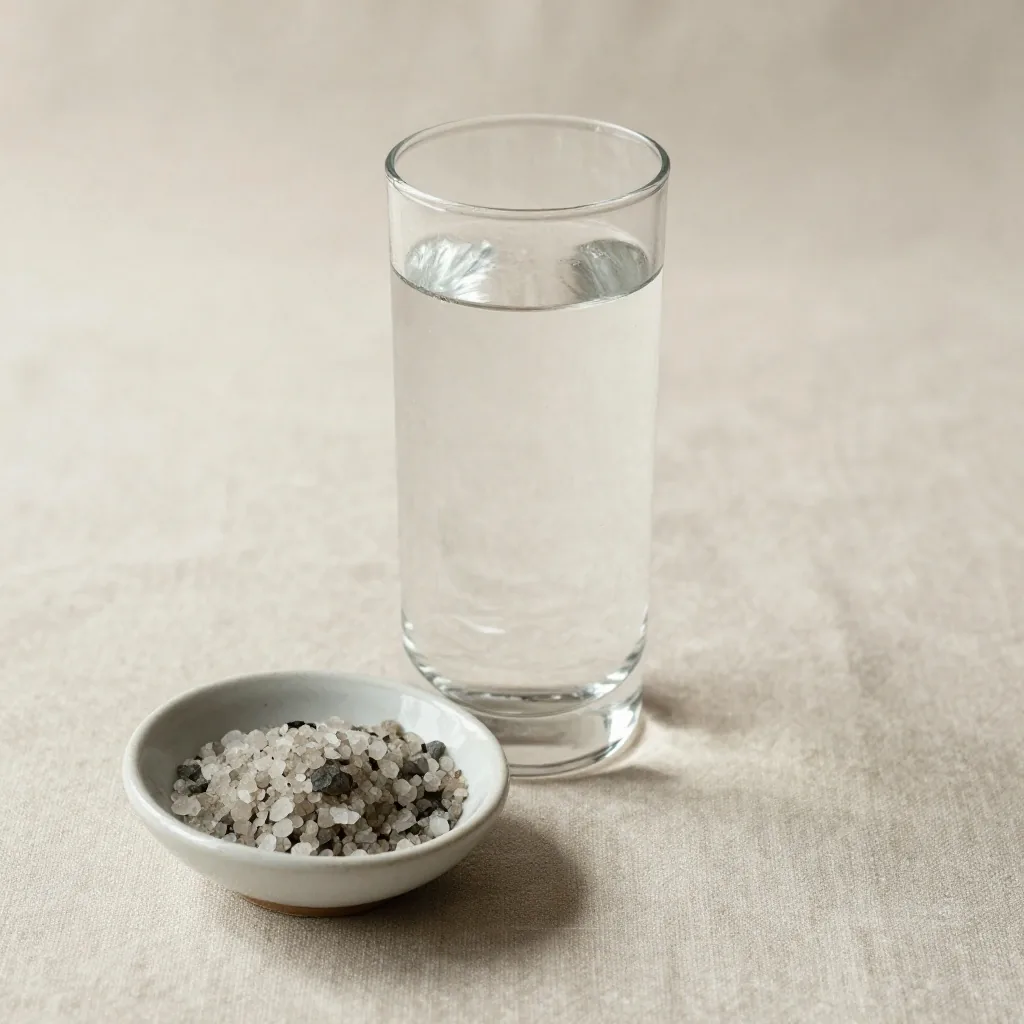
Electrolyte powders are designed to dissolve in water — the base ingredients are minerals already present in the body.
Comparing Formats and Intended Use
Understanding the differences between tablets, capsules, powders, and liquids is key to navigating men's vitamin supplements. We compare these formats based on convenience, cost, and typical ingredient compatibility. This practical comparison helps you evaluate popular products for men based on how they fit into your daily life, not just what they contain.
Tablets
The most cost-effective format. Tablets can be compressed tightly, which extends shelf life and allows manufacturers to include mineral compounds that take up physical space. The trade-off is that some tablets are large and may be harder to swallow. Coated tablets are easier to take but may include additional binding ingredients.
Capsules
Gelatin or plant-based shells holding powdered ingredients. Capsules are easier to swallow than tablets and tend to release their contents faster. They are the standard format for herbal extracts and oil-based ingredients. The shell material is listed on the label — vegetarian capsules use cellulose rather than gelatin.
Powders
Protein, electrolytes, and some vitamins come as powders meant to be mixed with water. The advantage is that a single pouch can provide many servings at a lower per-dose cost. Powders also allow adjustable serving sizes. The trade-off is convenience — they require mixing and are less portable than tablets or capsules.
Liquids
Liquid supplements are absorbed quickly and are useful for people who have difficulty with tablets or capsules. Some B-vitamins and mineral drops come in liquid form. The label should specify the serving size in milliliters and the amount of active ingredient per serving. Liquids often need refrigeration after opening.
If you have questions about the supplement categories described above or want to learn more about men's health support topics covered on this site, reach out to our team. We can help you understand the information presented here and point you toward the relevant reading guides.
Jl. Jend. Sudirman No. 52, Senayan, Kebayoran Baru, Jakarta Selatan, 12190
+62 21 5297 5937
Monday to Friday, 09:00 – 18:00
The products described on this page are presented as an informational catalog. Pria Sehat does not sell supplements directly. Product names, ingredient profiles, and format descriptions are based on publicly available label information. Supplements are intended as dietary additions to a varied diet and are not a replacement for food. Consult a qualified professional before adding any supplement to your routine, particularly if you have existing health considerations or are already following a structured plan.